


1200 North 7th Street, Chariton, Iowa 50049
Phone: (641) 774-3277 | Email: veagen@lchcia.com
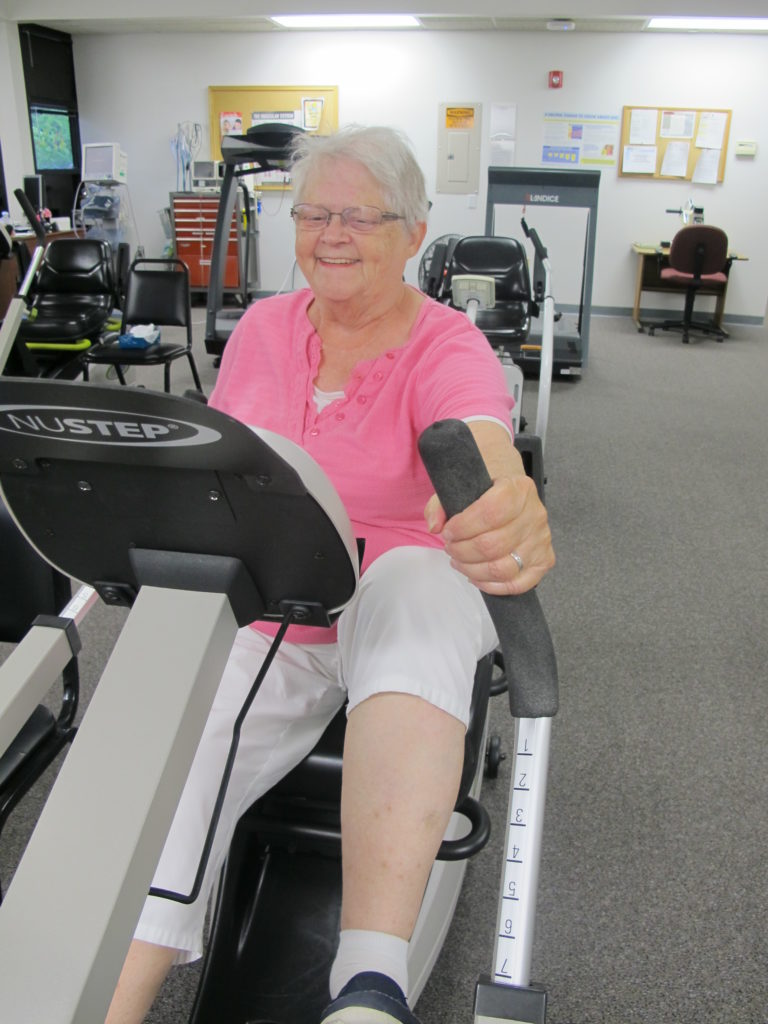
LCHC Cardio-Pulmonary Rehab team is specially trained to treat people suffering from cardiac disease, chronic obstructive pulmonary disease (COPD), dealing with other respiratory diseases that impair daily living, or recovering from surgery.
LCHC Cardiac & Pulmonary Rehabilitation provides an individualized plan of care specific to each individual’s needs including:
- Medical Evaluation
- Monitored Exercise
- Home Exercise Program Development
- Lifestyle/Risk Factor Assessment and Modification Options
- Medication Teaching
- Diet Instruction
- Educational Counseling and Behavioral Interventions
If you are in need of services offered by LCHC’s Cardiac or Pulmonary Rehabilitation, we encourage you to consult with your physician to request a referral for treatment.
Holter Monitors
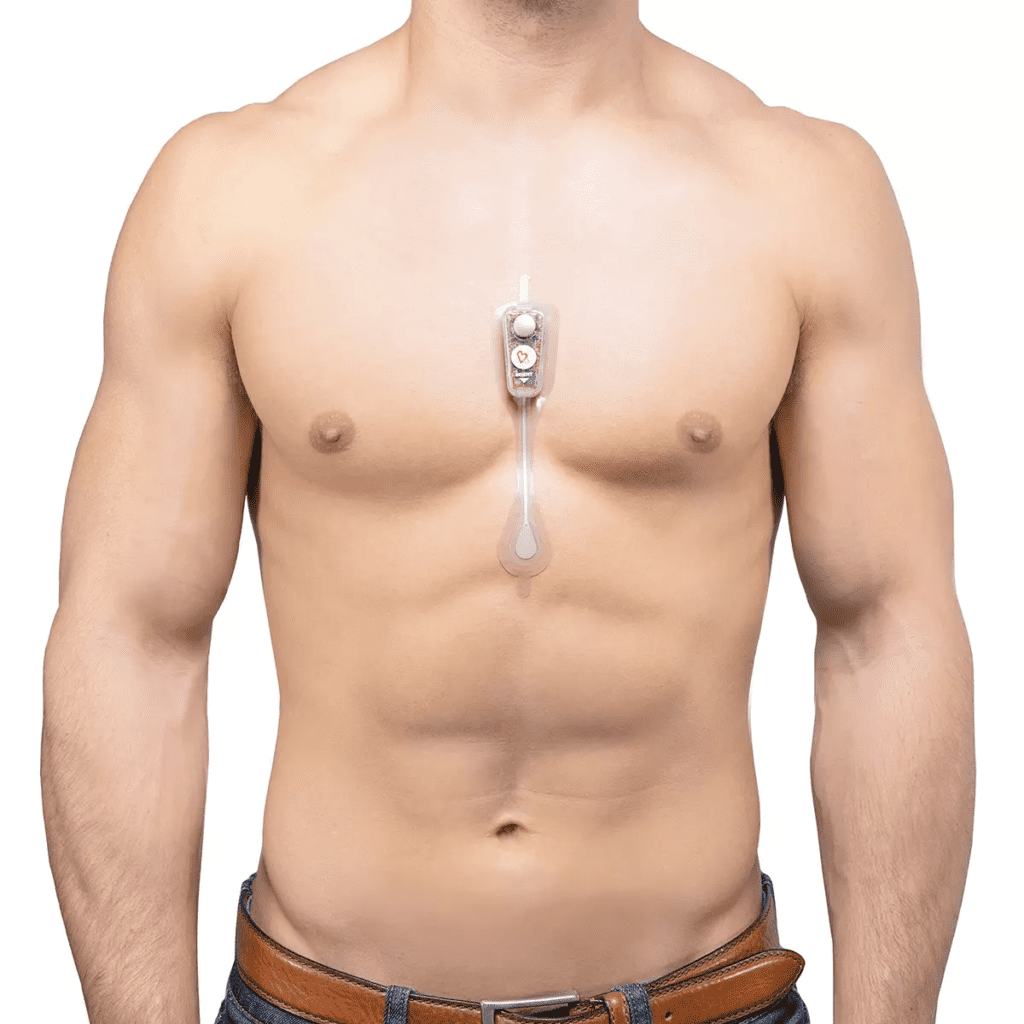
A Holter monitor is a small, wearable device that records your heart’s activity over a period of time—usually 24 to 48 hours, and sometimes longer. Unlike a standard EKG, which captures just a snapshot of your heart rhythm, a Holter monitor tracks your heart continuously while you go about your normal daily routine.
When should you talk to your provider about a Holter monitor?
Your provider may recommend a Holter monitor if you are experiencing symptoms such as:
- Palpitations or fluttering feeling in your chest
- Dizziness or lightheadedness
- Fainting or near-fainting spells
- Shortness of breath
- Unexplained fatigue
- Chest discomfort
Holter monitors can also be used to:
- Evaluate irregular heartbeats (arrhythmias)
- Monitor heart rhythm after starting or adjusting medications
- Check heart function after a cardiac event or procedure
What To Expect
The monitor is small and worn under your clothing. We utilize a wearable monitor, which continuously records your heart’s signals. You’ll wear it for the full monitoring period, often 24-48 hours, but could be up to 14 days, while you go about normal activities. You’ll be asked to keep a symptom and activity journal, which will be returned with the monitor.
Once you return the monitor, our team will interpret the reports and document the findings. Once this is complete, the report will be shared with your provider for review and discussion with you.